
The Enigmatic World of Mahjong
Mahjong, a captivating game that enthralls millions worldwide, has a profound history and cultural significance. Originating in China, Mahjong has become a popular pastime reaching far beyond its roots, imbibing diverse cultures with its charm and complexity.
A Brief History of Mahjong
Mahjong's origins are somewhat shrouded in mystery, with various theories about its invention. It is widely believed to have originated during the Qing dynasty in China, although some speculate it dates back even further. Initially a game played by the elite, Mahjong gradually gained popularity among the general public, becoming a staple in Chinese homes.
The Evolution of Mahjong
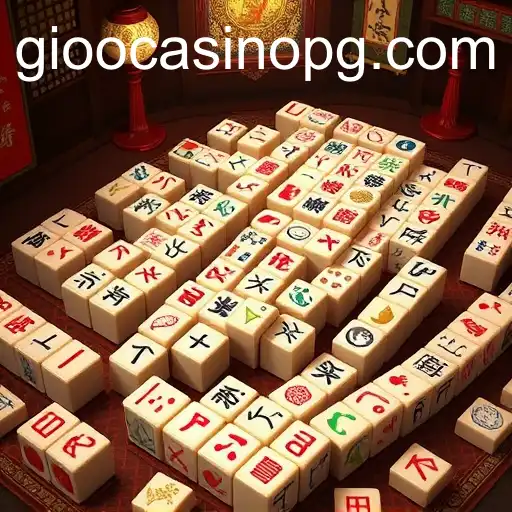
Over the years, Mahjong has evolved from its early forms. The traditional game consists of a set of 144 tiles based on Chinese characters and symbols. In addition to the classic Chinese version, numerous variations have emerged, each with unique rules and styles, such as the Japanese Riichi Mahjong and the American Mahjong that often incorporates the use of a card.
The Cultural Significance of Mahjong
Mahjong is not merely a game but a cultural keystone. In many Asian cultures, it serves as a social activity that brings together family and friends. Mahjong gatherings are common during holidays and festivals, offering a platform for social bonding and shared experiences. The clatter of tiles and the strategic gameplay epitomize family unity and tradition.
Moreover, Mahjong holds a symbolic place in many communities, representing an assertion of cultural heritage. For the Chinese diaspora, playing Mahjong helps maintain a connection to their roots, preserving traditions in foreign lands.
Analysis of Modern-Day Appeal
In contemporary times, Mahjong has continued to grow in popularity, adapting to modern contexts. Online platforms and apps have introduced the game to a global audience, allowing enthusiasts to engage in Mahjong matches with players from all over the world without the need for physical tiles.
Mahjong and Digital Integration
The integration of Mahjong into the digital realm has expanded its reach, offering new dimensions of engagement. These platforms often introduce features such as leaderboards and tournaments, which appeal to competitive players and contribute to a vibrant online community.
The Strategic Depth of Mahjong
Part of Mahjong's enduring appeal lies in its strategic depth. Although initially seeming straightforward, the underlying strategies and tactics can be complex, requiring players to balance luck with skill. A typical game involves building sets and pairs to complete a winning hand, requiring players to anticipate opponents' moves and make strategic discards.
Understanding the Rules and Gameplay
Players often start with a hand of 13 or 16 tiles, drawing and discarding in turns to achieve the best possible hand. Each player's strategy will depend on the tile draws and discards, combined with the objective of completing a specific hand type defined by the set rules. With each tile drawn or discarded, the game’s dynamics shift, providing continuous challenge and excitement.
Mahjong's Global Reach
Mahjong's international appeal extends to professional competitions, with tournaments held globally. These events showcase the skill and dedication of top players, further elevating the game's status. The international Mahjong community is diverse, bringing together players from various backgrounds, each contributing to the game's rich tapestry.
In regions such as Japan and the United States, Mahjong is more than just a game; it is a competitive sport. The World Mahjong Organization and the Mahjong International League work tirelessly to standardize rules and bring coherence to international play, promoting Mahjong as both a cultural pastime and a competitive pursuit.
The Future of Mahjong
Looking forward, Mahjong continues to thrive, evolving alongside technological advancements while staying true to its cultural roots. As it finds new audiences, the game’s cross-cultural significance and strategic depth will ensure its place in the pantheon of classic games enjoyed by future generations.